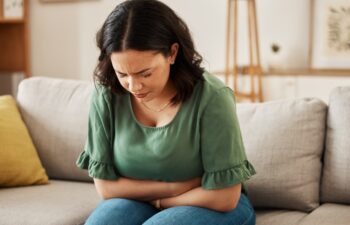
Diverticular disease is one of the most common gastrointestinal conditions in the United States, affecting an estimated one in three adults over fifty and nearly two-thirds of those over eighty. Yet it is also one of the most poorly understood — patients are frequently surprised to learn they have it, uncertain what it means for their diet and lifestyle, and unclear about when symptoms require medical attention versus when they can be safely managed at home.
Summer is when this matters in a specific and practical way. The season’s eating patterns — more grilling, more processed meats, more alcohol, less consistent hydration in the heat — create exactly the conditions that gastroenterologists associate with diverticular flare-ups. Understanding what diverticular disease is, what triggers it, and when symptoms cross the line from manageable to requiring urgent evaluation is worth knowing before those symptoms arrive on a holiday weekend.
At The Gastroenterology Practice, with offices in Queens and Levittown, Dr. Mit Shah and Dr. Davinder Singh provide comprehensive evaluation and treatment for the full spectrum of gastrointestinal conditions — diverticular disease among them.
What Diverticular Disease Actually Is
The large intestine — the colon — is a muscular tube. Over time, particularly in people who eat low-fiber diets, increased pressure inside the colon can cause small pouches to push outward through weak points in the colon wall. These pouches are called diverticula. Their presence, without any associated symptoms or inflammation, is called diverticulosis.
Most people with diverticulosis never know they have it. The pouches are often discovered incidentally during a colonoscopy performed for routine screening. For many patients, diverticulosis is a chronic, stable finding that requires dietary attention but no acute treatment.
Diverticulitis occurs when one or more of these pouches becomes inflamed or infected — typically when stool or bacteria become trapped inside. This is where the clinical picture changes. Diverticulitis produces symptoms that range from manageable to urgent:
- Left lower abdominal pain: The most characteristic symptom, often persistent and intensifying over hours
- Fever: A sign that infection is present
- Nausea and changes in bowel function: Constipation or diarrhea may accompany the inflammation
- Bloating and tenderness to touch: The affected area of the colon may be palpably tender
Uncomplicated diverticulitis — inflammation without abscess, perforation, or obstruction — is typically treated with a clear liquid diet, rest, and antibiotics. Complicated diverticulitis, involving abscess formation, colon perforation, or fistula development, requires more intensive management and sometimes hospitalization or surgery.
How Diet Connects to Diverticular Disease
The relationship between fiber intake and diverticular disease is one of the most consistent findings in gastroenterological research. Low dietary fiber increases the amount of time stool spends in the colon and increases the pressure required to move it — both of which contribute to the formation of diverticula over time.
The classic American summer eating pattern — heavy on red meat, processed meats like hot dogs and sausages, low in vegetables and whole grains — creates exactly the dietary profile that gastroenterologists associate with elevated diverticular risk. This doesn’t mean patients with diverticulosis should avoid summer gatherings or live in dietary austerity. It means the composition of the plate matters, and small adjustments can have meaningful effects on colon health over time.
The older prohibition on nuts, seeds, and popcorn for patients with diverticulosis has been largely walked back by current clinical evidence — these foods do not appear to increase the risk of diverticulitis in most patients. Current guidance focuses instead on overall dietary fiber intake, adequate hydration, and limiting processed and red meat rather than specific foods to avoid.
The Symptoms That Require a Same-Day Call
The most important practical message for patients with known diverticulosis — or for those experiencing abdominal symptoms in the left lower quadrant for the first time — is understanding the threshold for seeking evaluation rather than waiting to see how things develop.
The following symptoms warrant prompt GI evaluation rather than watchful waiting at home:
- Fever over 101°F accompanied by abdominal pain
- Severe or worsening abdominal pain that doesn’t settle over a few hours
- Inability to keep fluids down due to nausea and vomiting
- Rectal bleeding that is more than minor
- Symptoms in a patient with immune suppression or other complicating medical conditions, where the typical inflammatory response may be blunted
For patients with prior episodes of diverticulitis, familiarity with their own symptom pattern is useful — but a pattern that deviates from prior episodes, or one that is more severe, warrants evaluation regardless.
Colonoscopy After Diverticulitis
Patients who have had an episode of diverticulitis are typically recommended for colonoscopy after recovery — usually six to eight weeks after the acute episode has resolved. The purpose is to evaluate the extent of diverticulosis, rule out other contributing pathology including colorectal cancer, and establish a baseline for ongoing monitoring.
Dr. Davinder Singh brings training from the Mayo Clinic and Cleveland Clinic — institutions where advanced endoscopic expertise is developed through exceptional case volume — to his practice at The Gastroenterology Practice. Dr. Mit Shah’s experience with the full range of colon conditions, including colonoscopy, polyp removal, and management of diverticular complications, reflects the comprehensive gastroenterological training the practice brings to Queens and Long Island patients.
The practice performs over 1,000 colonoscopies annually, giving both physicians the procedural depth that translates directly to patient safety and diagnostic precision.
Fiber: The Most Practical Dietary Tool for Diverticular Health
The recommendation most gastroenterologists make to patients with diverticulosis is straightforward: increase dietary fiber intake consistently, rather than intermittently. The American Gastroenterological Association recommends 25 to 35 grams of fiber daily — a target most American adults fall considerably short of.
Practical high-fiber additions that integrate well into summer eating without requiring dramatic dietary overhaul include:
- Legumes: Beans, lentils, and chickpeas are among the highest-fiber foods available and incorporate easily into summer salads, dips, and grilled side dishes
- Whole grains: Swapping refined bread and pasta for whole-grain versions adds fiber without requiring separate preparation
- Vegetables grilled or roasted: Summer barbecue culture is actually compatible with high-fiber eating — corn, zucchini, eggplant, bell peppers, and asparagus are all grilled-friendly and meaningfully contribute to daily fiber
- Fruit: Berries, pears, and apples with the skin on are summer-appropriate high-fiber options
Fiber increases should be gradual, with adequate water intake accompanying the increase — adding fiber abruptly without corresponding hydration can worsen constipation and create additional discomfort. A gastroenterologist can provide specific guidance calibrated to the individual patient’s history and current bowel patterns.
Schedule Your Evaluation at The Gastroenterology Practice
The Gastroenterology Practice has two convenient locations. The Queens office is at 222-15 Northern Boulevard, 4th Floor, Queens, NY 11361. The Levittown office is at 2900 Hempstead Turnpike, Suite 203, Levittown, NY 11756.
Call (718) 224-1642 for Queens or (516) 882-4280 for Levittown. Whether you’ve been living with a known diverticulosis diagnosis, recently experienced your first episode of diverticulitis, or have abdominal symptoms that haven’t been evaluated, the gastroenterology team is ready to provide the thorough, personalized assessment you deserve.
Posted on behalf of